

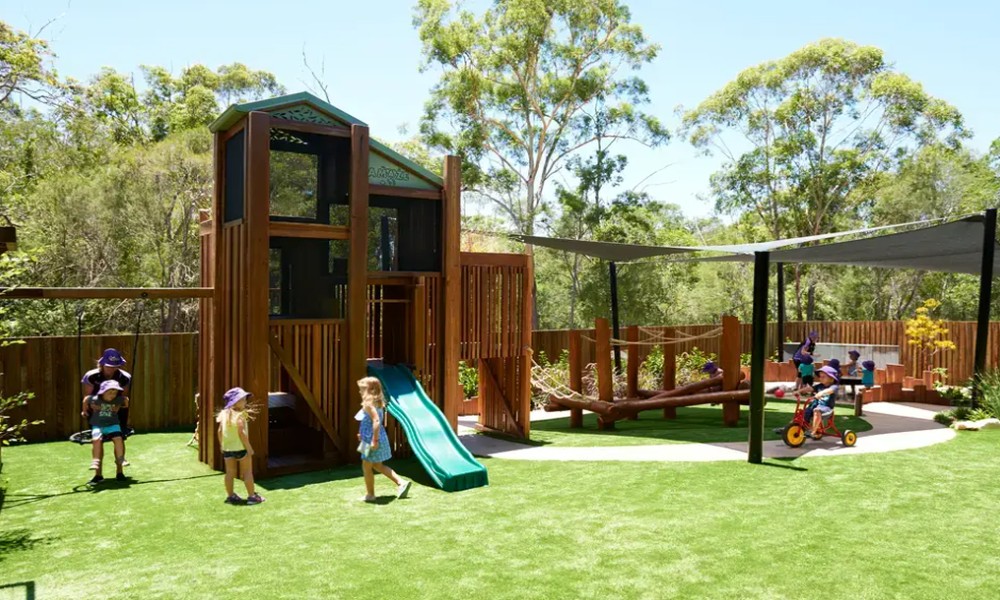
Finding a childcare spot feels like the big hurdle. Once that’s sorted, though, a quieter worry tends to settle in. Is this place genuinely good for my child, or just convenient? That question matters more than most parents give it credit for. Gold Coast childcare has shifted quite a bit lately, and families who look past the welcome pack often find things they didn’t expect – good and bad.
The “School Readiness” Myth
A lot of parents want childcare to get their kids ready for school. That’s fair. But the way most people imagine that happening – letters, numbers, structured lessons – tends to do more harm than good when it’s pushed too early. Experienced early childhood educators are pretty consistent on this point. What actually prepares a child for school isn’t academic knowledge. It’s being able to cope when something goes wrong. Knowing how to bounce back after a falling out with another child. Feeling okay around a trusted adult who isn’t a parent. Those things don’t come from sitting at a table with a pencil. They come from being in a well-run environment with adults who understand child development properly.
What Educators Actually Watch For
Parents see drop-off. They see pickup. Educators see the whole day. And what they’re watching is often invisible to families. Does a child handle the shift from one activity to the next without it throwing them off? Which situations do they quietly avoid – and why? When they talk about something that happened, how do they put the story together? It’s not just about vocabulary. It’s about how a child makes sense of their own experiences. Over time, a real picture forms. That picture is what shapes how each child is actually supported, individually, rather than just managed as part of a group.
The Routine Beneath the Routine
Every centre has a schedule on the wall. Meals, outdoor time, rest. That part’s obvious. What isn’t obvious is the layer underneath it – the small, repeated moments that don’t appear on any timetable. How does an educator respond when two kids clash over something? What does lunchtime actually sound like – is there conversation, or just noise? How does a busy room settle down without anyone getting snappy about it? In well-run Gold Coast childcare settings, these moments happen the same careful way, day after day. Children absorb that consistency. It shows up in how grounded they become, even if parents can’t quite explain where it came from.
What Parents Often Overlook
On a centre tour, most families clock the obvious stuff. The playground. The room sizes. Whether the place feels clean. Those things are worth noticing, but they’re also the easiest things to get right with enough budget. What’s harder to spot is how long the staff have actually been there. When a child walks in and sees the same familiar faces they’ve known for a long while, that means something. Good Gold Coast childcare holds onto its people – and that only happens when educators feel genuinely valued. Kids build real attachments to their carers. When those relationships keep getting broken by turnover, children feel it, even when they can’t say why.
The Parent Relationship Nobody Talks About
Good centres don’t just support children. They quietly support parents too. Drop-off guilt is real. So is the unsettling feeling that your toddler seems more relaxed at the centre than at home – which, for the record, usually means the place is doing something right. Quality educators don’t limit communication to cheerful updates and photos. They bring up the harder stuff too. The things that need an actual conversation. A centre that’s willing to do that isn’t overstepping. It’s doing exactly what a genuine early childhood partner should do.
Conclusion
Choosing Gold Coast childcare well comes down to asking the questions most families don’t think to ask. Not just what’s on the lunch menu or whether there’s shade over the playground – but how long the educators have been there, what happens when a child has a genuinely difficult day, and whether the centre talks to parents honestly or just pleasantly. The best centres take the small moments seriously. That’s usually where everything that actually matters is happening.